
THE BEADDRAFT BLOG
Photos, grids & beads, explained.
Honest guides to making fuse-bead patterns from a photo — sizing, colors, printing, and what the tool can and cannot tell you.

Perler, Hama and Artkal: what the difference means for your pattern
A fuse-bead pattern is a grid of colored cells, and that grid is the same in any brand. What differs is size and color names — here is exactly what each changes, and how to map colors to the kit you own.
 ··8 min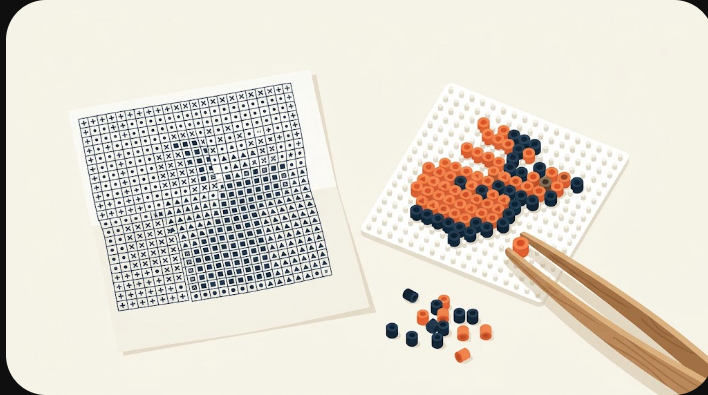
How to print a bead pattern you can actually read
Export the PDF reading chart — symbols, board sections and counts, made to sit beside your pegboard. Here is what is on it, why it is not 1:1, and when the other three exports serve you better.
··7 min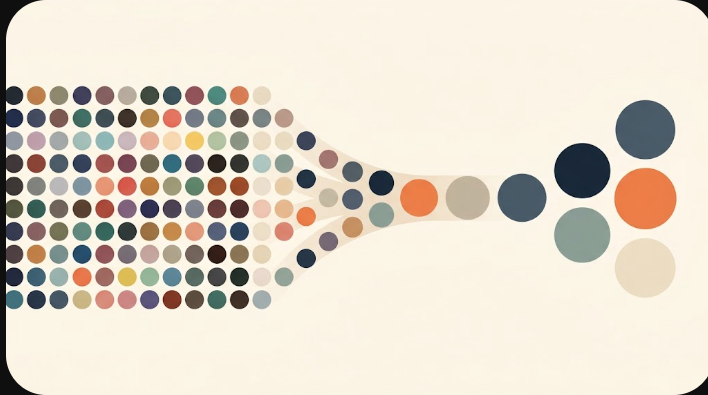
Reduce colors without losing the details
There are two levers, and they work at different moments. Simplify never forces a color count and never touches a bead you protected — here is the exact rule it uses, plus how to protect details first.
··9 min
How to prepare a photo for a clean bead pattern
The photos that convert cleanly share three things. Here they are — plus an honest, mechanism-level explanation of what the background-removal toggle can and cannot do, and a pre-flight checklist.
··8 min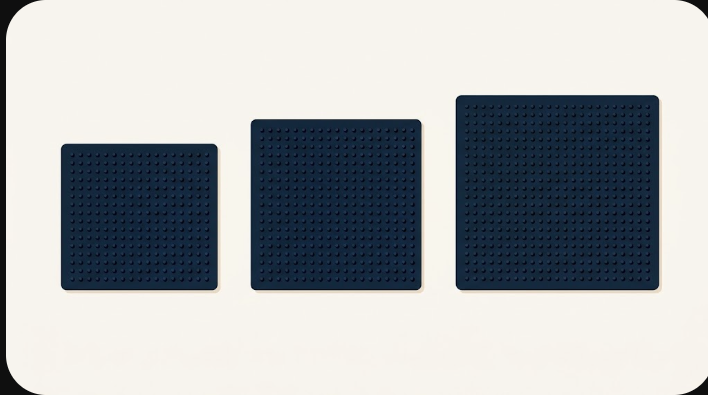
How many beads wide? Choosing a pattern size
Start at 29 wide for a face, 58 for a scene, 87 when fine features must stay legible. Here is the full math — board sections, how fast the bead count climbs, and finished size by brand.
··8 min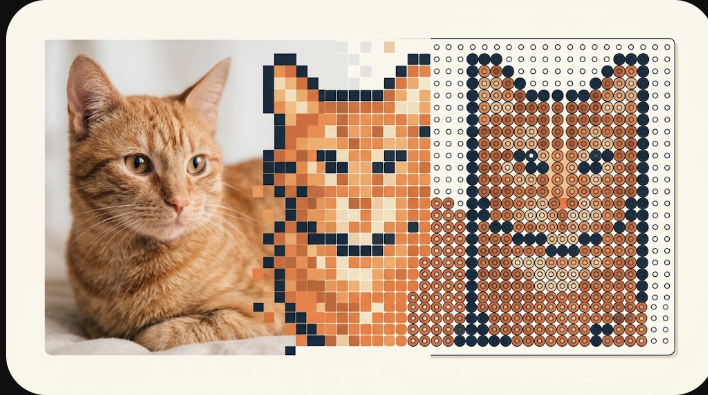
How to turn a photo into a bead pattern
Pick a width, let the tool sample your photo into a grid, then check the colors and counts. Here is what each of those steps actually does to your image — with a worked example.
··9 min